Understanding NAD+ in Scientific Research
Third-Party Batch Tested
COA Available Per Batch
UK-Based Supplier
Research & Laboratory Use Only
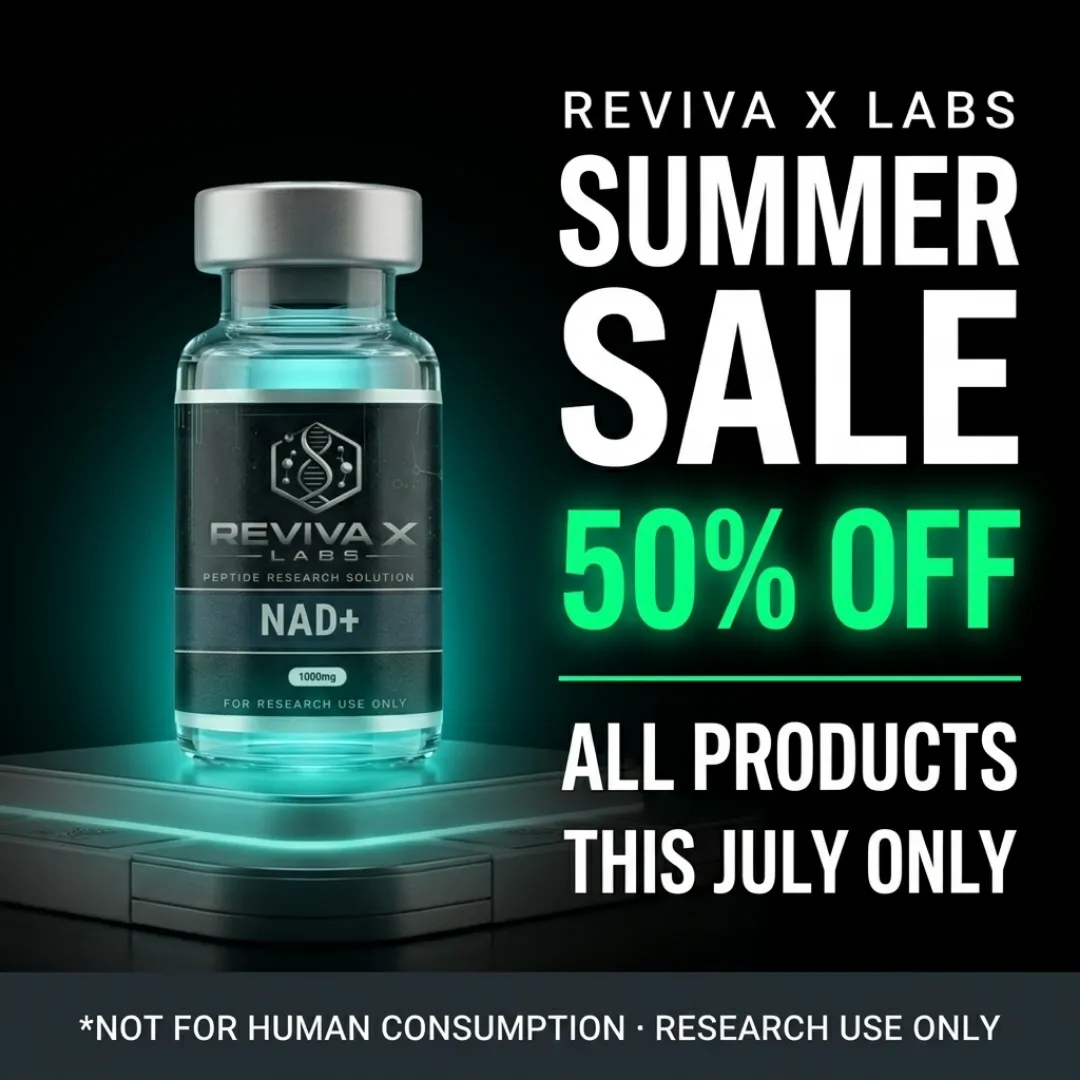
50% OFF ALL PRODUCTS THIS JULY - NO CODE NEEDED!
NAD+ (Nicotinamide Adenine Dinucleotide) is one of the most studied compounds in modern biochemistry. An overview of its role in laboratory research.
What is NAD+?
NAD+ is a coenzyme present in all living cells. In laboratory settings, it is studied for its involvement in a broad range of biological processes and cellular functions.
NAD+ (Nicotinamide Adenine Dinucleotide) is a naturally occurring coenzyme identified as a key molecule in cellular biochemistry. Its presence across multiple biological systems has made it a consistent focus of scientific investigation over several decades.
Within research environments, NAD+ is examined for its role in redox reactions, enzyme regulation, and mitochondrial processes. It functions as an electron carrier in metabolic pathways and is considered integral to a number of fundamental cellular mechanisms.
The compound is frequently referenced in peer-reviewed literature across disciplines including molecular biology, biochemistry, and life sciences research.
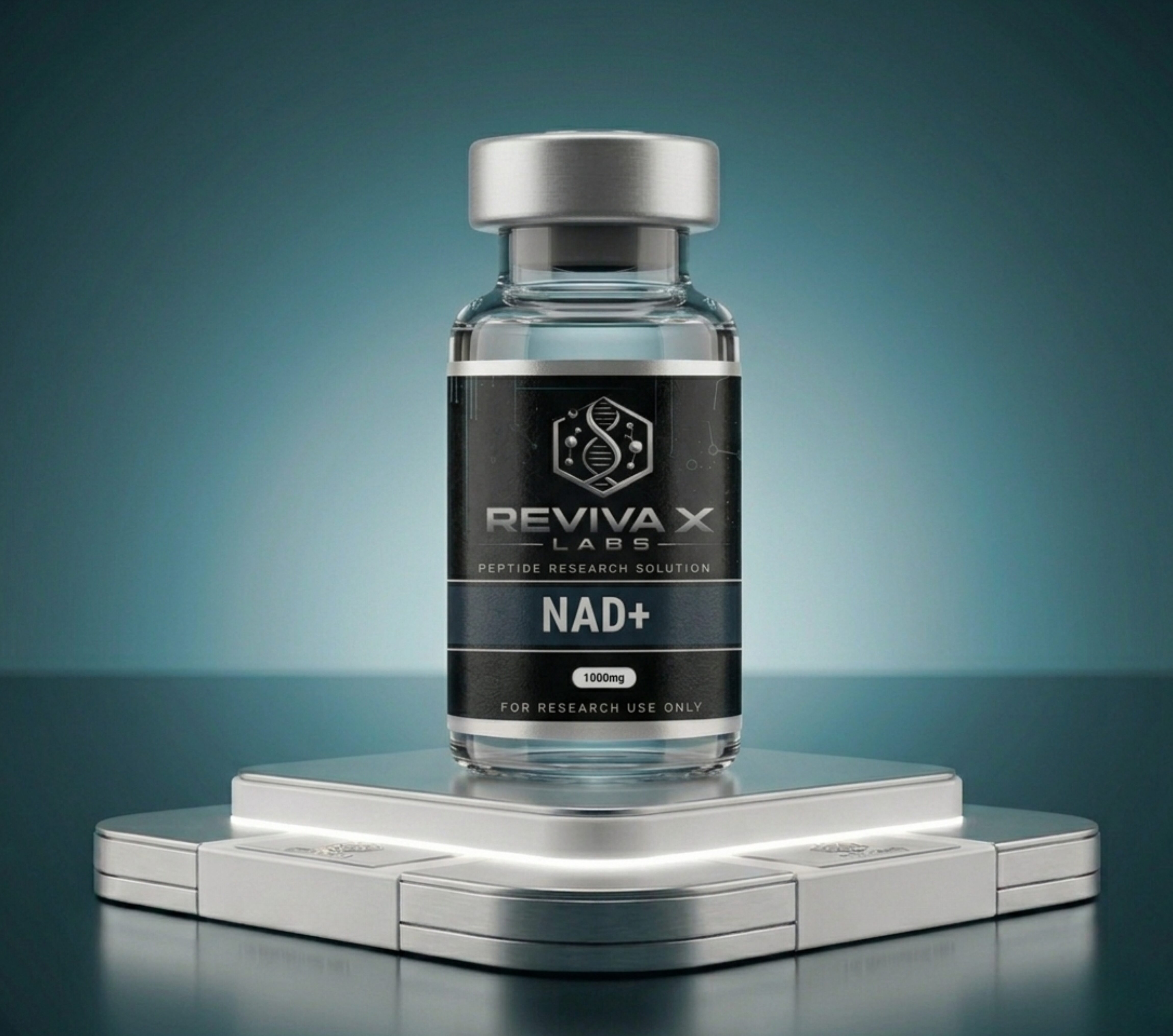
NAD+
Key Benefits Of NAD+
Cellular Energy Metabolism
Mitochondrial Function
Central to Cellular Function
Enzyme & Redox Activity
Reviva X Labs
Ready to view full product specifications?
Access batch data, Certificate of Analysis, and full compound information on the Reviva X Labs page.
STILL NOT SURE?
Frequently Asked Questions
Why is NAD+ used in research?
NAD+ is commonly studied due to its involvement in fundamental cellular functions, including energy metabolism, enzyme activity, and redox reactions. Its role across multiple biological systems makes it a significant focus in laboratory research.
What areas of research involve NAD+?
NAD+ is frequently explored in fields such as biochemistry, molecular biology, and life sciences. Research often examines its role in mitochondrial function, cellular processes, and DNA-related mechanisms.
What makes NAD+ significant in scientific research?
NAD+ is considered significant because of its role in a wide range of cellular functions. Its involvement in key biological processes makes it a frequent subject of study in laboratory environments.
Third-Party Batch Tested
COA Available Per Batch
UK-Based Supplier
Research & Laboratory Use Only
All compounds supplied by Reviva X Labs are intended for research and laboratory use only. Not for human consumption, therapeutic use, or medical application. For research professionals only.